Herbs and spices are the heart of cooking. Both herbs and spices come from parts of plants that are used to enhance flavor. However, have you ever wondered what the difference between herbs and spices is?
They are one of the key ingredients that make your meal better.
The two categories of food enhancers have some similarities. They add flavor, aroma, and color to the dish. They are used to preserve food and also have cosmetic value. Here are a few distinct properties of herbs and spices that you should know.
Herbs
Herbs are usually the leafy part of the plant and are either sweet or savory. Some other parts of the plant such as the bark, seeds, berries, root etc. are also considered herbs and used for medicinal purposes. They are classified into different types such as culinary, medicinal and sacred herbs. You can buy both fresh herbs and dry herbs that are used in cooking. Here are some examples of herbs you can use for cooking to enhance flavor.
Bay leaf
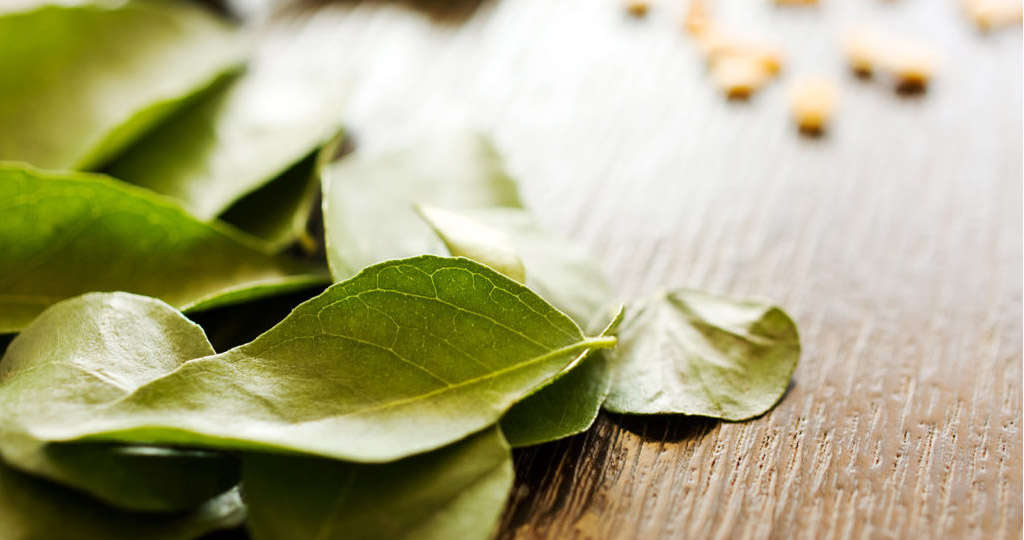
Bay leaf is an aromatic herb used in cooking that enhances the taste. They are a fixture in European and American cuisine and are used in Indian cuisine as well. Bay leaf is an aromatic leaf from the evergreen bay laurel tree, native to the Mediterranean. The taste and flavor are similar to that of cinnamon, although this is milder. Roasted and ground bay leaves are added to the Indian mixture of spices called “Garam Masala” to add taste and aroma. Bay leaves along with a variety of spices is vastly used in Indian cooking for dishes like biryani.

Basil
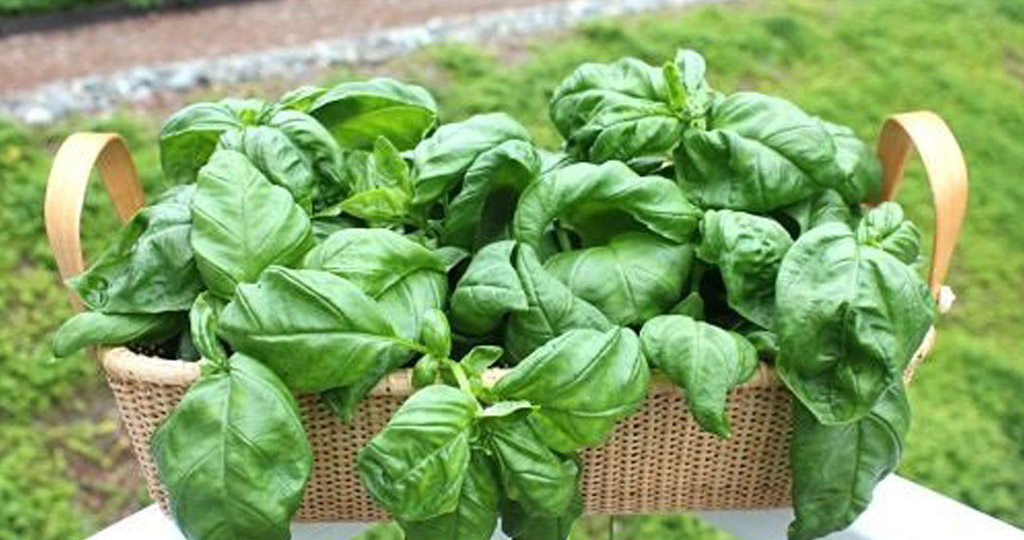
Popular in European cuisine, Basil is used in pizzas, pastas and also as whole leaves in fresh salads. Basil is considered the king of herbs, thanks to its nutritional values. Its extremely aromatic leaves are used as a seasoning for many dishes but has become largely popular as the main ingredient in pesto – a mixture of basil, pine nuts, and parmesan cheese.

Rosemary
Native to the Mediterranean region, Rosemary is a perennial herb with a strong fragrance, evergreen leaves and white, pink, purple, or blue flowers. Rosemary can add tremendous flavor to food, especially when you chop it and use it in stuffing or sauces for meat and seafood. Apart from cooking, they are also known to have medicinal properties.

Other herbs include: celery seed, chives, cilantro, dill, fennel, lemon grass, parsley, sage, tarragon, thyme and more.
Spices
Spices are seasonings that you get from parts of the plant like fruits, seeds, bark, dried buds, stigma, root, rhizomes and resin. They are used in food for flavor, color or as preservatives. Apart from adding flavor and aroma, they are also used as remedies for certain ailments. Spices are dry and are used to add flavor and season the meal. Here are some examples of spices you can use for cooking to enhance flavor.
Saffron
Derived from a flower called Crocus sativa, saffron is a spice that is an essential part of every Indian household. The flowers of saffron are largely cultivated and harvested by hand. Be it in milk, sweets or the traditional pulao, saffron is known for the Nawabi feel it brings to every dish. Saffron of the best quality if identified by observing individual strands. If it is of utmost premium quality, then it must have long strands that are thick at the end. Apart from its wide uses in the kitchen, saffron is also used to enhance cosmetic beauty. In Indian culture, it is considered auspicious to gift saffron. It also has a number of medicinal properties.

Crushed Chillies
Crushed chillies or red pepper is used to add heat and flavor to any dish. Used primarily in Indian and Italian cooking, it can be used as a seasoning or a condiment. You can use this to add flavor to any Indian curry or pizza. It balances the flavor and brings out the taste.

Black pepper
Native to India, black pepper is primarily found in the Western Ghats and Malabar region. Black pepper has a very strong flavor and is widely used in Indian cuisine, either whole or as a powder. It can be added to garam masala, sambar powder, rasam powder to enhance aroma and taste. It also has health benefits and hence is extremely popular.

Other spices include cinnamon, allspice, nutmeg, turmeric, ginger, mace, saffron, vanilla, cumin and dill seed.