Herbs and spices are the heart of cooking.  Both herbs and spices come from parts of plants that are used to enhance flavor. However, have you ever wondered what the difference between herbs and spices is?

They are one of the key ingredients that make your meal better.

The two categories of food enhancers have some similarities. They add flavor, aroma, and color to the dish. They are used to preserve food and also have cosmetic value. Here are a few distinct properties of herbs and spices that you should know.

Herbs

Herbs are usually the leafy part of the plant and are either sweet or savory. Some other parts of the plant such as the bark, seeds, berries, root etc. are also considered herbs and used for medicinal purposes. They are classified into different types such as culinary, medicinal and sacred herbs. You can buy both fresh herbs and dry herbs that are used in cooking. Here are some examples of herbs you can use for cooking to enhance flavor.

Bay leaf

Bay leaf is an aromatic herb used in cooking that enhances the taste. They are a fixture in European and American cuisine and are used in Indian cuisine as well. Bay leaf is an aromatic leaf from the evergreen bay laurel tree, native to the Mediterranean. The taste and flavor are similar to that of cinnamon, although this is milder. Roasted and ground bay leaves are added to the Indian mixture of spices called “Garam Masala” to add taste and aroma. Bay leaves along with a variety of spices is vastly used in Indian cooking for dishes like biryani.

bayleaf 2

Basil

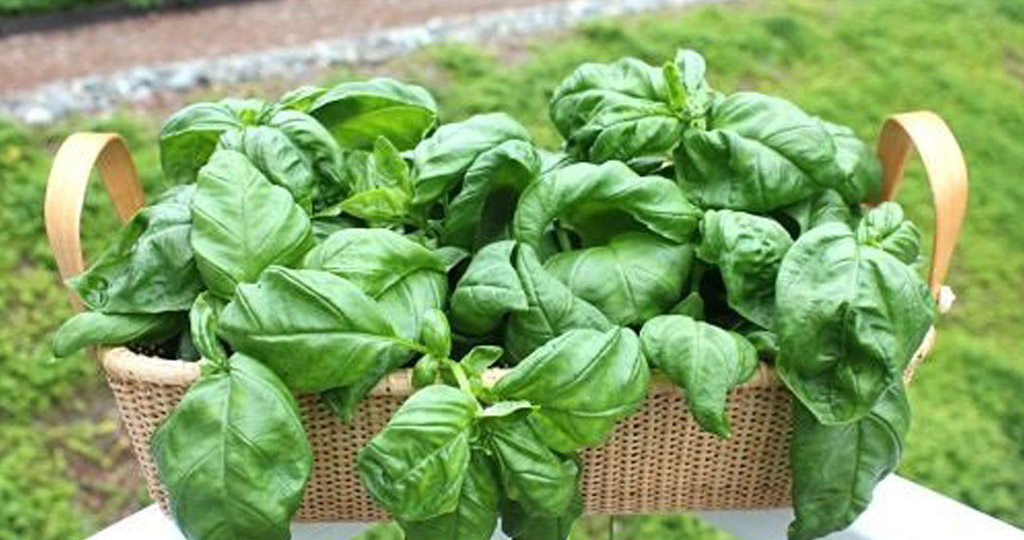
Popular in European cuisine, Basil is used in pizzas, pastas and also as whole leaves in fresh salads. Basil is considered the king of herbs, thanks to its nutritional values. Its extremely aromatic leaves are used as a seasoning for many dishes but has become largely popular as the main ingredient in pesto – a mixture of basil, pine nuts, and parmesan cheese.

Rosemary

Native to the Mediterranean region, Rosemary is a perennial herb with a strong fragrance, evergreen leaves and white, pink, purple, or blue flowers.  Rosemary can add tremendous flavor to food, especially when you chop it and use it in stuffing or sauces for meat and seafood. Apart from cooking, they are also known to have medicinal properties.

rosemary

Other herbs include: celery seed, chives, cilantro, dill, fennel, lemon grass, parsley, sage, tarragon, thyme and more.

Spices

Spices are seasonings that you get from parts of the plant like fruits, seeds, bark, dried buds, stigma, root, rhizomes and resin. They are used in food for flavor, color or as preservatives. Apart from adding flavor and aroma, they are also used as remedies for certain ailments. Spices are dry and are used to add flavor and season the meal.  Here are some examples of spices you can use for cooking to enhance flavor.

Saffron

Derived from a flower called Crocus sativa, saffron is a spice that is an essential part of every Indian household. The flowers of saffron are largely cultivated and harvested by hand. Be it in milk, sweets or the traditional pulao, saffron is known for the Nawabi feel it brings to every dish. Saffron of the best quality if identified by observing individual strands. If it is of utmost premium quality, then it must have long strands that are thick at the end. Apart from its wide uses in the kitchen, saffron is also used to enhance cosmetic beauty. In Indian culture, it is considered auspicious to gift saffron. It also has a number of medicinal properties.

fan-eltahee-28-1465246513

Crushed Chillies

Crushed chillies or red pepper is used to add heat and flavor to any dish. Used primarily in Indian and Italian cooking, it can be used as a seasoning or a condiment. You can use this to add flavor to any Indian curry or pizza. It balances the flavor and brings out the taste.

Wooden bowl full of fiery chilli pepper flakes.

Black pepper

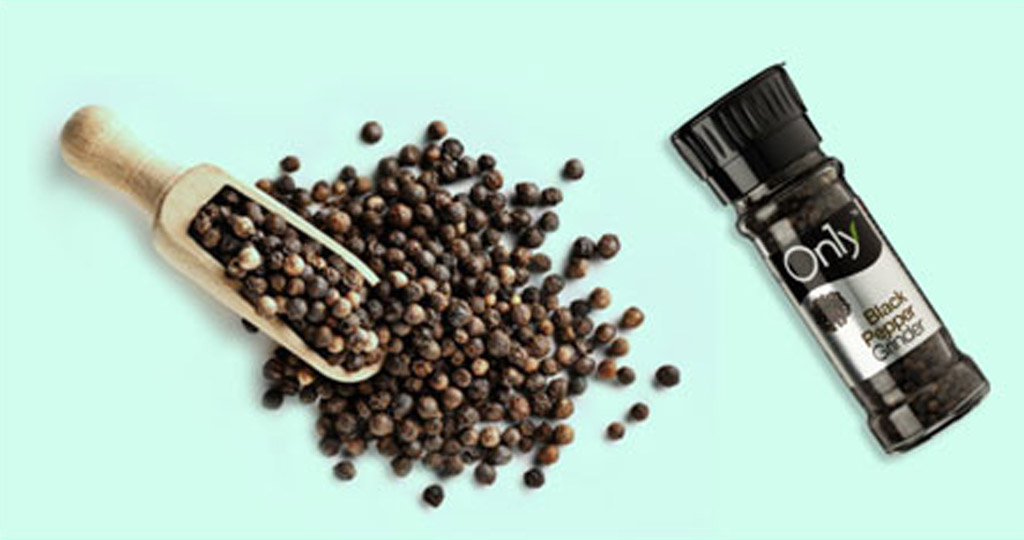
Native to India, black pepper is primarily found in the Western Ghats and Malabar region. Black pepper has a very strong flavor and is widely used in Indian cuisine, either whole or as a powder. It can be added to garam masala, sambar powder, rasam powder to enhance aroma and taste. It also has health benefits and hence is extremely popular.

balck pepper

Other spices include cinnamon, allspice, nutmeg, turmeric, ginger, mace, saffron, vanilla, cumin and dill seed.
A good dish is not just about the taste, but also about the aroma. Any dish that does not smell good most likely won’t taste too good either. Both aroma and good taste are interconnected. Aromatic spices are the heart of Indian cooking. They are full of strong flavors and captivating fragrance. Imagine making choley bhature without the garam masala? Aromatics give dishes the flavor and the foundation to build its personality.

Here is a list of different aromatics and how you can use them to bring out the best in your kitchen.

Fenugreek

Fenugreek, also called methi, is popular in Indian cuisine and around the Middle East. It adds a slight bitter flavor to the dishes. This spice has a distinctive sweet smell. It is very similar to the smell of maple syrup and can be used to flavor artificial maple syrup, butterscotch syrup and the likes of it.

Fenugreek

Mustard seeds

These tiny little seeds are most commonly used for adding a tadka (tempering with spices) and are the heart of Indian cooking. They are extremely versatile and used in all kinds of Indian cooking.  When roasted, these seeds give out a strong flavor. They exhibit distinct spicy aroma that helps to add a rustic taste to the dishes. It is known for adding a great flavor without fat.

Mustard seeds

Turmeric

Turmeric has a deep yellow color and adds a lot of taste and aroma to any food. It also has a number of health benefits and is added to curry to boost its taste. It has a strong woody flavor and is used in small proportions as the color sticks easily.

turmeric

Curry leaves

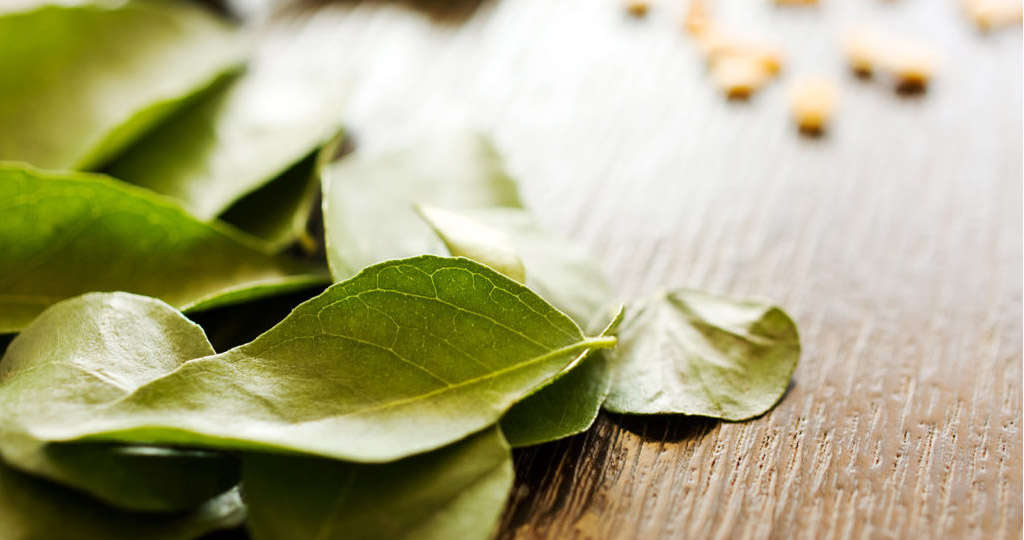
Curry leaves are the most common ingredient in Indian dishes. The leaves have a faint aroma, but when cooked the smell enhances and elevates the flavor of the food. They can be fried or shredded or garnished. Use roasted curry leaves to get the best aroma.

curry leaves

Coriander

Coriander leaves or coriander powder has a refreshing and sweet aroma. Used in both South Indian and North Indian cooking, it is an important culinary spice. It stimulates your taste buds when used as a garnish. If you’re using ground coriander seeds or coriander powder, store them in an airtight container as they can lose their flavor in no time.

coriander

Asafetida

Asafetida, also known as Hing, has a strong smell which can overpower any dish. When cooked, it mellows down and adds an exquisite flavor to the food. The smell of Hing is similar to garlic and is often used along with other spices as a flavoring agent. The best way to use it is by roasting and adding it with other spices. Keep in mind not to use it with onion or garlic as the original flavor of the dish can get overpowered.

Asafetida

Ginger

Ginger can be used as a flavoring agent for curries, tea and even soups. It has a sharp smell that cuts through the dish. Ginger is usually sautéed with onions and other spices and used in dals and other curry preparations to enhance the taste and aroma. It is known to add a fresh and pungent aroma to the food.

Ginger

Garlic

Garlic has a pungent odor and flavor, but once it is cooked properly, it adds a tremendous value to any food. It is not just used in Indian cuisine but also Italian and other European cuisines.  On consumption, garlic is known to leave a foul smell in the mouth due to the sulfuric acid compounds present in the cloves. However when roasted, it adds a sweet, smoky flavor with an inviting, sharp aroma to the food.

Ginger

Be it for any cuisine, spices are known to be the essential ingredient that adds a rich taste and aroma to the food. Most of these spices have oodles of health benefits and provide a unique flavor to the dishes, without adding any calories or fat. And irrespective of one’s own culinary expertise, choosing the right mix & quality of spices can go a long way in bringing your food to life.

In order to help you enjoy cooking and enhance the flavor of your meal, we have put together a list of most common spices that go well with any global whole food recipes.

  1. Pepper

Pepper is the second most popular spice used for cooking and garnishing in cuisines around the world.  It can be used whole while cooking or ground with handy grinders of crushers for seasoning. You can spike your flavored meal with freshly ground or crushed pepper to add a bit of fieriness to it. A pinch of black pepper can be added to almost every kind of recipe, right from a salad, an elaborate Spanish omelette or a simple pasta dish. The best pepper cones in the world are known to emerge from the Malabar region in Kerala.

Pepper

  1. Parsley

Parsley is one of the main ingredients in European, Middle Eastern and American cuisine, although you can track its origin back to the UK. Often used as a garnish, it is available in both, dry and fresh forms for cooking. It brightens the flavors and adds balance to savory dishes, making it the perfect spice partner for all your recipes. You can sprinkle some dry or fresh Parsley over your soups, meat stews, vegetable sauces or seafood preparations to experience the difference it makes.

Parsley

  1. Oregano

Oregano is a Mediterranean herb, popularly regarded as an excellent kitchen-garden herb. Even though Oregano is branded for being an integral component of Italian food, it is widely used in Mexican, Greek and Spanish recipes as well. Its origin can be traced back to Turkey, where it is found in its best form. You’ll find Oregano in fresh and dry forms. So next time you enjoy a bowl of salad, bean dishes or grilled meat, sprinkle some Oregano to enhance the taste and aroma.

Oregano

  1. Chili Powder / Flakes

It is usually made from grinding dried chilies or mixing it with other spices to deliver an intensely-hot and eccentric flavor. Chilli powder or flakes go well with both vegetarian and non-vegetarian dishes belonging to the Indian, Southeast Asian and Mexican cuisines. However, Indian chillies are considered to be the finest of the lot. Add it to any dish in limited quantity, as the heat and color can vary depending on its origin and type.

Chili Powder / Flakes

  1. Garlic

Garlic is a universally loved ingredient with flavorful and aromatic properties. It a versatile ingredient that is generally used in combination with others to bring out the best in a dish. It can be freshly minced, crushed or powdered to add a rich & robust flavor to any meal. Roasted garlic along with salt adds a whole new flavor to any dish. In order to experience its vast culinary properties, add some to your ground meat preparations and sauteed, roasted and stir-fried recipes.

Garlic

0
    0
    Your Cart
    Your cart is emptyReturn to Shop